Posted by Actesso Medical Supports on 21st Nov 2026
Two wrist supports can look similar but do different jobs. One wraps around the wrist and leaves it relatively free to move. Another contains a firm stay designed to limit bending.
Start with what the support needs to do: allow movement, or help hold the wrist in a supported position? Here are five differences to check before choosing.
1. A splint adds structure; a flexible strap wraps around the wrist
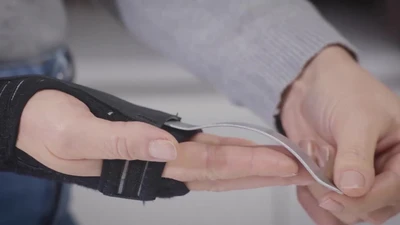
In this comparison, a wrist strap means a flexible support without a rigid stay. A wrist splint contains a firm component that helps control movement. Splints also have fastening straps, so the presence of a strap alone does not tell you which type you are looking at.
For example, the Actesso Breathable Wrist Splint contains a shaped metal stay beneath the wrist. Our Elastic Wrist Support with Wrap-around Strap has no metal bar and allows more wrist movement.
Names such as “brace”, “support” and “strap” are used differently across products. Read the construction details rather than choosing by the name alone.
2. Movement restriction and compression are different
A flexible support applies pressure around the wrist as it is adjusted. A firm stay adds resistance to bending. These are different mechanical functions.
Pulling a flexible strap tighter does not give it the structure of a splint. Excessive tightness can affect circulation and cause discomfort. Equally, a splint still needs the correct size and comfortable fastening to sit properly.
Neither type makes the wrist completely immobile in every direction. The amount of movement available depends on the design and fit. Our guide to the metal stay explains this component in more detail.
3. For carpal tunnel at night, wrist position matters
The NHS describes a wrist splint as a support that keeps the wrist straight and advises night-time use for carpal tunnel syndrome. The aim is to help relieve pressure on the nerve.
A flexible wrap that still allows the wrist to bend is not an equivalent substitute for that positioning function. If a clinician has recommended a night splint, check that the design meets their advice.
Neutral position means the hand is broadly aligned with the forearm. Do not assume every splint holds every wrist at exactly the same angle. Follow the supplied instructions and individual clinical advice. Before overnight use, try the splint while awake to check comfort and fit. See our carpal tunnel at night guide.
4. More freedom to move is a design choice—not permission to push through pain
A flexible design may be appropriate when wrist movement is wanted and that type of support suits the intended use. A splint may be appropriate when limiting movement is the goal. The choice depends on the condition, activity and advice you have received.
A support is not a guarantee against injury or a reason to continue an activity that aggravates symptoms. After a fall or other injury, do not use this comparison to decide whether a retail support is enough. Seek assessment if you suspect a fracture.
5. Size and hand selection can differ between designs
Do not transfer your size from one product to another. Measure at the point shown in the exact product's guide and compare with its own chart. Some designs fit either hand; others require a left- or right-hand version.
Check materials, skin comfort and care instructions too. When fitted, a stay should sit comfortably without an edge digging into the palm or wrist creases. Our five fitting checks explain what to look for.
At a glance
| Check | Flexible wrist strap | Wrist splint with a firm stay |
|---|---|---|
| Construction | Flexible material; no rigid stay in the designs compared here | Fabric and fastenings plus a firm stay |
| Movement | Leaves more wrist movement available | Helps limit bending; restriction varies by design |
| Carpal tunnel night positioning | Do not assume it will hold the wrist straight | Check the supported position and clinical advice |
| Fit | Comfortably secure; avoid overtightening | Correct size, position and comfortable straps |
General information only. Follow your product instructions and any clinical advice. For a removable retail support, loosen or remove it and seek medical advice if new or increased tingling, numbness or discomfort develops. Cold, pale or blue fingers, severe pain or symptoms persisting after removal need urgent medical advice. Seek advice if symptoms worsen or do not improve.
Sources and further reading
- NHS: Carpal tunnel syndrome — night splinting and when to seek help.
- NHS: Wrist pain — assessment and advice about wrist symptoms.
- Actesso Breathable Wrist Splint — product construction and sizing.
- Actesso Elastic Wrist Support with Wrap-around Strap — flexible design without a metal bar.
Prepared by Actesso Medical Supports. Sources checked 21 November 2026. NHS links support general health guidance and do not imply endorsement of an Actesso product.