Posted by Actesso Medical Supports on 7th Nov 2026
The firm strip inside a wrist splint is easy to overlook. Yet it helps explain why a splint feels different from a flexible wrist strap—and why pulling the straps tighter is not a substitute for choosing the right construction.
In this guide, we use the Actesso Breathable Wrist Splint to take a closer look at the metal stay, the surrounding fabric and the adjustable straps. Each has a different role.
1. The stay provides structure
A flexible strap wraps around the wrist but does not necessarily contain a rigid component to limit bending. A splint combines fabric and fastenings with a firm stay that helps control wrist movement.
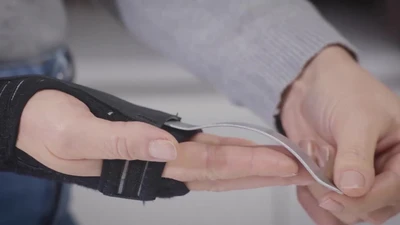
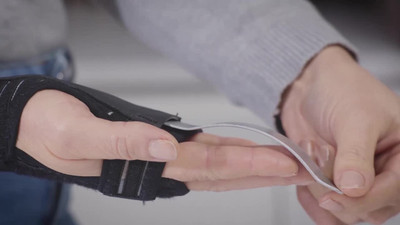
In the Actesso Breathable Wrist Splint, a single shaped metal bar sits underneath the wrist, on the palm side. This is sometimes called a palmar stay. The fabric holds it within the support rather than leaving metal against the skin.
This construction is one reason to compare more than the appearance of two wrist supports. Check whether they contain a stay, where it sits and what the product is intended for.
2. Wrist position matters more than squeezing
For carpal tunnel syndrome, a night splint aims to hold the wrist near a neutral position: the hand broadly in line with the forearm, rather than bent forwards or backwards. This helps relieve pressure on the median nerve. See NHS guidance and the 2026 carpal tunnel clinical practice guideline.
The curve in the stay is not the same as the angle of your wrist. The shaped palm section follows the contour beneath the hand, while the longer section supports the wrist and forearm. Once fitted in its pocket, it should sit comfortably against the palm without an edge digging into the wrist or palm creases.
Neutral is approximately zero degrees of wrist bend; it does not mean the metal stay must be completely flat. Some general wrist splints position the wrist slightly back, so there is no single angle to recommend for every design or condition. Follow advice for your particular support and intended use.
The stay helps limit bending; the straps secure the support around the hand and wrist. Tightening the straps further does not recreate the role of a missing stay.
Different splints have different shapes and intended uses. Do not assume that every shaped bar holds every wrist in precisely the same position. If a clinician has specified a particular position, ask whether the product meets that requirement rather than bending the bar yourself.
Watch the stay demonstration on Facebook.
3. A removable stay is not an invitation to change the support
Our video shows the stay outside the support and then sliding back into its palm-side pocket. Notice how the shaped end follows the palm contour. Replace it in the orientation shown in your product instructions, seat it fully and secure the pocket closure before wearing the splint. Removing it changes the structure of the support.
Some splint-care instructions call for removing metal inserts before washing. For example, South Tees Hospitals' guidance includes this step. Always follow the instructions for your own product, including replacing the stay correctly before wearing it.
Do not remove the bar simply to make the splint more flexible if you need it to restrict wrist movement. If the stay digs in, check the size, hand selection and fit, then seek advice. Avoid cutting, reshaping or substituting the component without appropriate guidance.
4. The fabric and straps still matter
A firm stay needs a well-fitting support around it. Check the exact product's measuring guide, choose the correct hand where applicable and adjust the straps comfortably.
The Breathable Wrist Splint has adjustable fastenings and separate left- and right-hand versions. Its material composition includes latex, so check suitability if you have an allergy.
If the support slips, continually tightening it may create discomfort rather than solve the underlying fit problem. Our five wrist splint fitting checks explain what to look at first.
5. A metal stay does not make a splint suitable for every problem
Choosing a support starts with understanding what you need it to do. A wrist splint does not diagnose the cause of hand pain or numbness, and it is not a substitute for assessment after an injury or when symptoms persist.
Follow clinical advice on when and how long to wear it. For night-time use, try the splint while awake first so you can check comfort and positioning. Read our carpal tunnel at night guide for more about this use.
General information only. Follow the instructions supplied with your support and any individual clinical advice. If a removable support causes new tingling, numbness or discomfort, loosen or remove it and seek advice. Cold, pale or blue fingers, severe symptoms or symptoms persisting after removal need urgent medical advice.
Sources and further reading
- NHS — Carpal tunnel syndrome
- JOSPT — Carpal tunnel syndrome clinical practice guideline 2026
- Cambridge University Hospitals — General wrist splint advice
- South Tees Hospitals — Carpal tunnel syndrome splints
- Actesso — Breathable Wrist Splint product and care information
- University Hospitals Sussex — Splint advice
Sources checked: 7 November 2026. Product demonstration and explanation by Actesso; source links do not imply NHS endorsement of this product.